Tips to Make Your Spring Gardens Spectacular
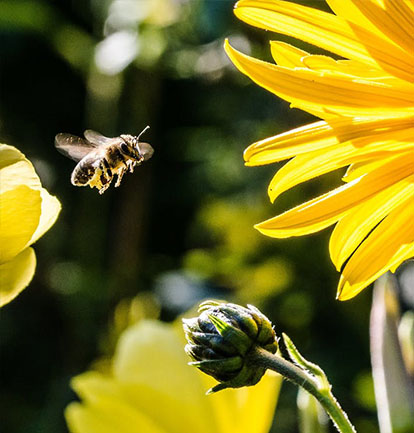
Spring always creates a feeling of renewal and urgency, it is the time to shrug off those winter blues and layers of clothes, expose your skin to the warmth and vitamin D provided by the sun and to take full advantage of tending your spring garden to make it a spectacular show of abundance, flourishing flowers and the beauty of harnessing nature on your plot of land, no matter if it is a small terrace or an extensive estate garden. Spring Gardens are a feasts for the eyes, as well as for the birds and insects that are just as happy as you are that the world is turning green and warm again, but in order to make your garden a truly spectacular show, there are a few essential tips that need to be followed to get the best out of your flower beds.
START YOUR SPRING GARDENS EARLY
Often when the daylight hours start to become longer and there is a distinctive increase in the temperature outside, South Africans start to get into the spring spirit of things; dreaming of lush lawns, flowering bushes, singing birds and humming bees. The wonderful reality is that this dream is possible if you prepare your garden properly for the change of seasons. Unfortunately, lots of people only start to consider what to do about their haphazard winter beds when the first spring storms arrive, and by then they have missed the opportunity to make their spring gardens truly great.
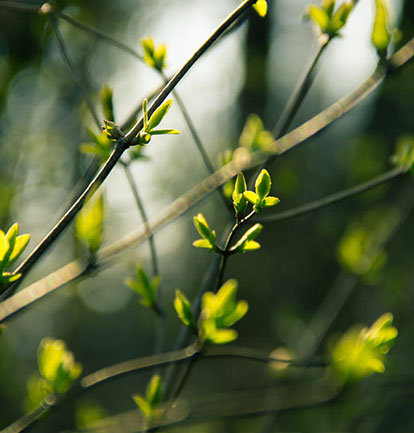
The first and most important tip to follow to make your garden the envy of anyone who sees it is to start early. You need to prepare your garden before it sprouts new buds of green and those peach blossoms start to emerge. Late winter to early spring is the time to really get stuck in and neaten things up that have been left to deteriorate or grow wild in the last seasons. It is important to clean up your garden before you even start to plan for any future growth and changes. A good place to start is always raking up any old leaves and grass, as this will be perfect to add to your compost heap and it will also help you define where your lawn ends and your garden beds begin. Even though your grass might not be growing yet, it is also a good idea to give it a trim to neaten it up. However, do not be tempted to cut it too short to try and extend the time till your next mow, as too short grass will expose your soil, causing it to dry out. This can cause a loss of nutrients and can damage your grass roots if they are overexposed to the sun and rising temperatures before your lawn can recover.
After you have cleaned the lawn and gotten rid of all those pesky leaves that have fallen everywhere, you will have a better idea of the state of your garden. Take the opportunity to walk the edges of your beds, and check on your fences and trusses. Note where bushes have grown beyond perimeters, where tree branches are hanging too low or are broken, and also what needs to be fixed, reinforced to support new growth, or repainted. Then it is time to put on those garden gloves, sharpen those shears and get to work. Trimming your plants before they have started to sprout new growth is good for the plant as it will encourage deeper root growth as well as lush new shoots, and you will be able to get a better idea of the shape of your bushes while you have a clear view of their bare branches. It is however important to make sure that you stick to the rules of each variety of plant in your garden, as some like to be cut right back, while others prefer a gentle manipulation to assume the shape you want.
Preparing the Ideal Environment for Spring Gardens
Even before you start to plant, you need to plan and prepare. Walk your garden, decide if there are any beds that need to be extended or new ones that need to be created. Take note of any plants that need to be divided up and spread out, and of any plants that have failed to survive the winter frosts or seem to be doing poorly in the climate. A good tip is to also ensure that you have the ideal pH balanced soil as this will reflect if you have a healthy garden. A well balanced pH will encourage good growth and healthy plants, as well as a good ecosystem for other animals such as birds and insects who call your garden their home. A soil sample test will provide you with the answer and if you are unsure about what your pH result means exactly or need help to improve it, consult your garden centre who will have an expert on hand to give advice or to come out to your home to help you create the best environment for the perfect growth.
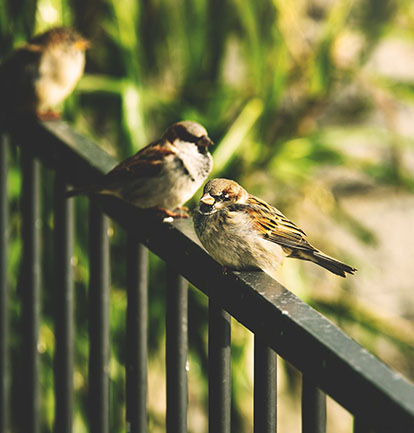
It is also always important to not only keep your plants in mind, but also the animals that benefit from them. In preparing your garden for spring, think about where you might want to put a bird or nectar feeder, consider if your birdbath is in the right location to ensure it provides cool water on those hot days that are sure to be a common occurrence in spring and summer. Setting up bird houses and providing nesting material will encourage birds to make their homes and raise their chicks in your garden. You should also consider other animals, such as bats that feed on garden insects or owls if you are in a less urbanised area, as these animals are essential to controlling pests. There are wonderful garden bat and owl boxes available and they are the perfect element to add a little environmentally friendly flair to your spring garden.

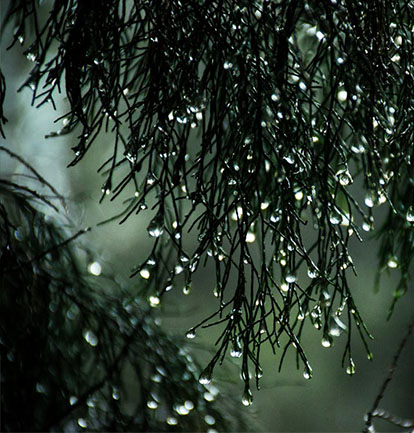
Spring Gardens And Stormy Weather



The Water Wise Garden
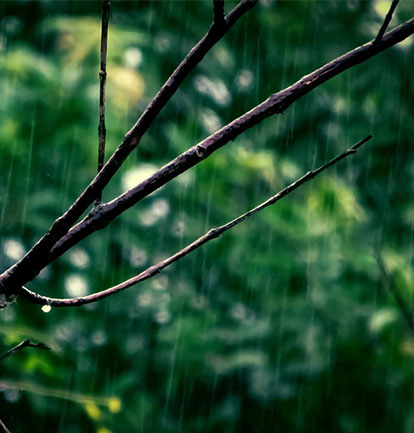
Never underestimate the importance of using water wise plants and methods in your garden. This practice should be followed throughout the year, but is ideal to implement in spring as you are adapting your garden to new growth and changing it to match how you want it to look in the future. Water wise plants are especially great to reduce your water wastage in South Africa which is a water-scarce country. Implementing the use of grey water, rain catchers as well as planting smart varieties of less water dependent plants are a great way to ensure spectacular looking spring gardens, even if the rains are late.